


Today we republish the conclusion of the Salutatory of the American Catholic Quarterly Review. It speaks for itself; no commentary is necessary. Again, I omit block quotation. Translations of the Latin follow.
—
(cont’d)
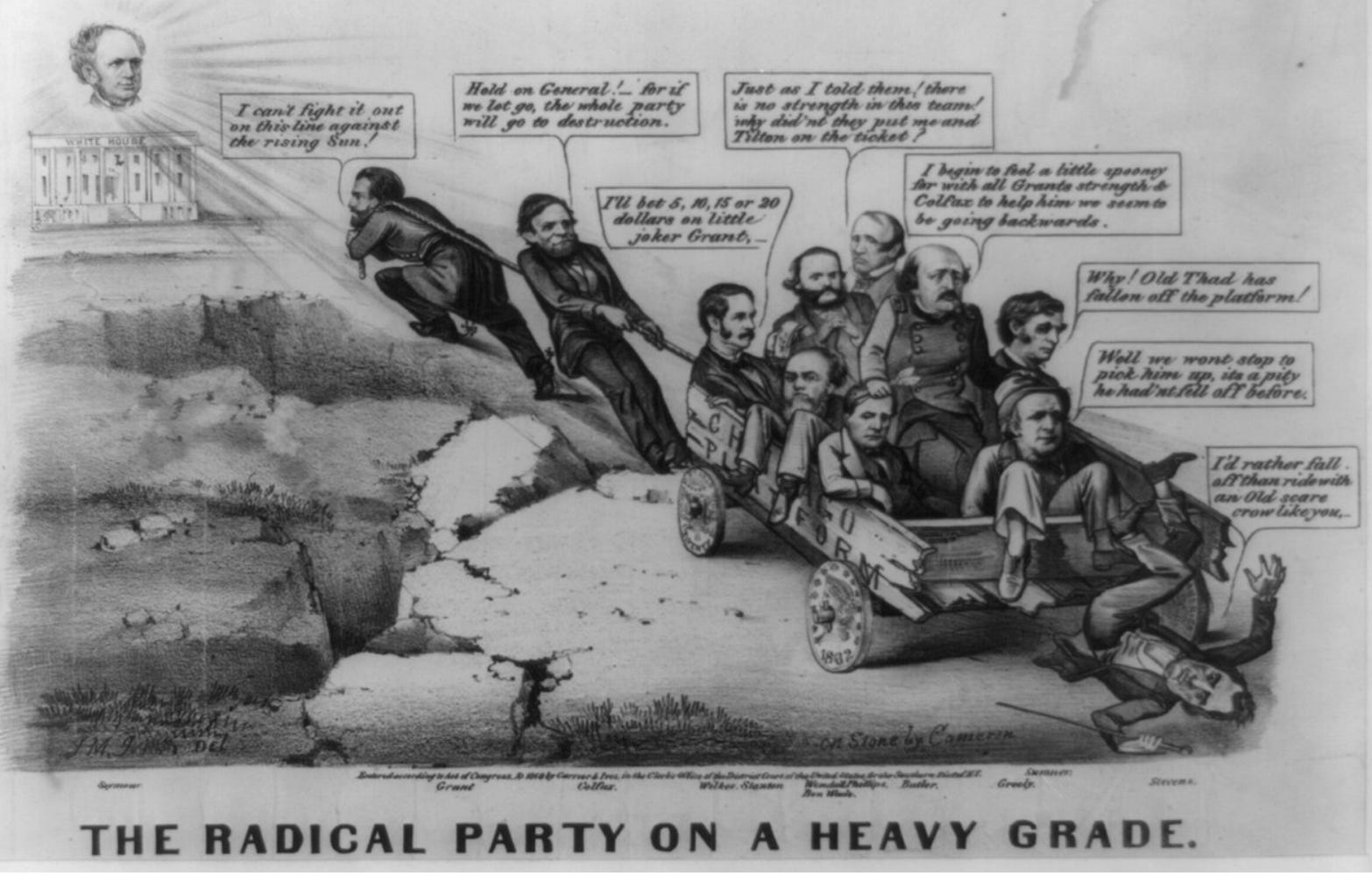
With politics, as they are commonly understood, and partisan contentions for place and power, the REVIEW has nothing to do. It little concerns us, who sits in the Presidential chair once hallowed by George Washington, or rules in the Cabinet, or has the dispensing of the patronage that outflows from the seat of government to enrich, not unfrequently to corrupt, our citizens. But we love our country, and we deprecate the sad contingency, that, while she improves in material prosperity, she should go backward in the path of honesty and equity, and give to the world the lamentable example of a commonwealth so changed and depraved by a hundred years’ growth, that her founders, were they to return to earth, would not recognize her for the work of their hands. How could we be indifferent, nor give some expression to the shame and sorrow that we feel, in beholding daily more and more verified amongst our statesmen those terrible words of the prophet, “Thy princes are faithless, the companions of thieves; they all love bribes, they run after rewards.” (Isaiah i. 23.)
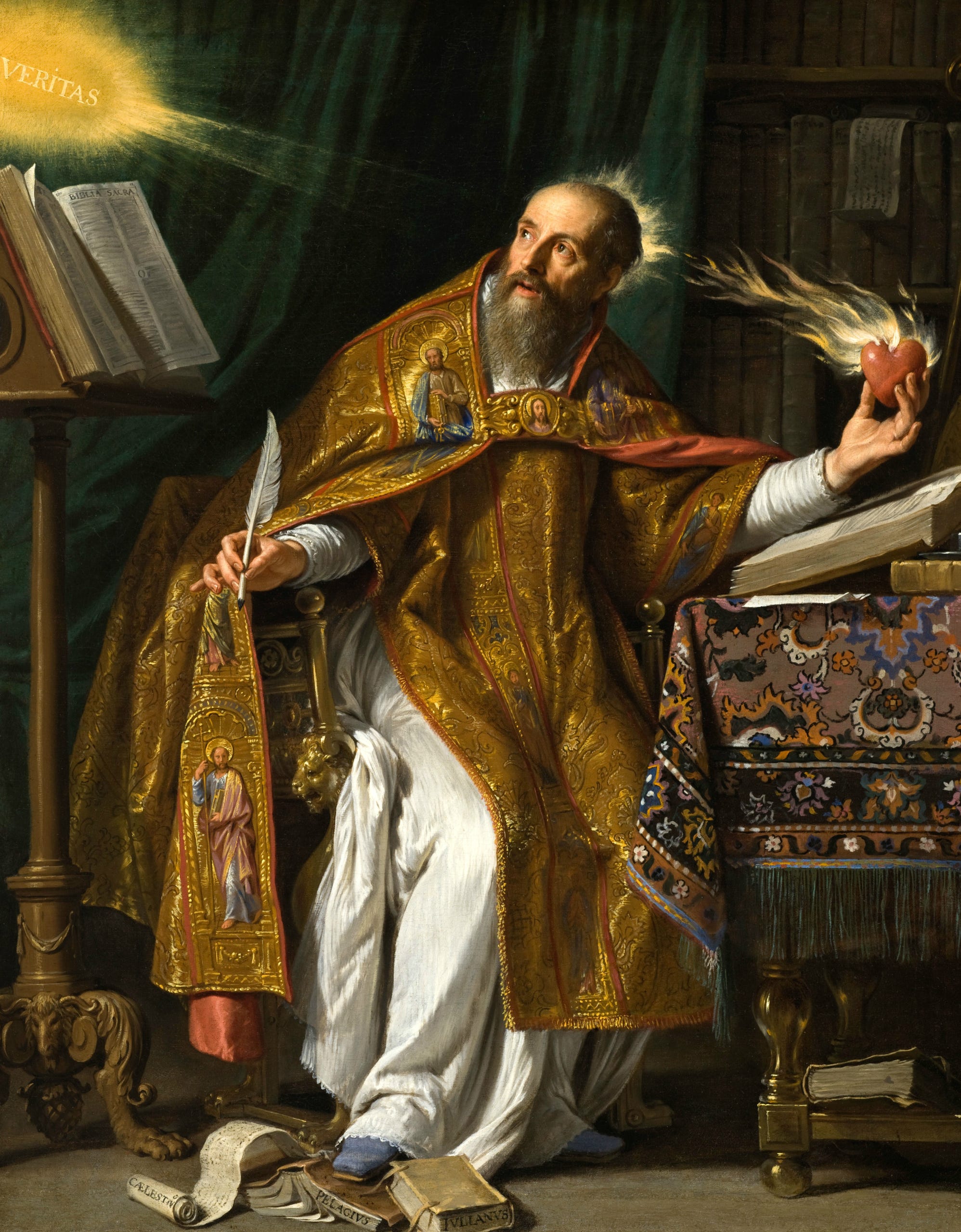
Our REVIEW is not only Catholic, but American. Hence we shall endeavor to chronicle and illustrate whatever is worthy of preservation, whether it be matter of history or tradition, in the origin and progress of the Catholic Church in America. But it is also American in another sense. Whilst defending the creed of our Catholic countrymen before the world, and doing what we can to gather up for their love and veneration what yet remains unknown or only partially told of the apostles and founders of the faith in our land, we shall not forget the duty that we owe to our non-Catholic countrymen. There are among them some few, who, embittered by the wicked spirit of sectarianism, do not wish to know the truth, and who, like the Scribes and Pharisees with whom our Saviour had to deal, hated and detested the truth the more, in proportion as they felt its presence and power growing manifest before their eyes. To such men of course we cannot appeal for a hearing. But there is a large class of our non-Catholic countrymen, who are ignorant of Catholic doctrine through no fault of their own, but simply through the chances of birth and education. They have an inherent love of justice and truth, a spirit of religion, though misdirected by unhappy training. They dislike and condemn us, because they know us only, not as we are, but as we have been falsely presented to their view. If they knew us better, if they could but see the Catholic religion as it really came from the hand of its Author, the Church of Christ in her true colors, no longer disfigured by the hideous visage and distorted features, wherewith heresy has chosen to paint her for the last three centuries, her comely and venerable aspect would awaken in them love and admiration. With such we propose to follow the example of the great Augustine, who said in a similar case, “Sanari eos potius, si fieri potest, quam oppugnari, volo.”
Our contributors have no common bond, other than that of loyalty to the Church and devotion to her cause, and that likewise of Catholic charity, which as the Apostle says (1 Cor. xiii. 3, 4) “patiens est, benigna est, non agit perperam, non irritatur, non cogitat malum.” Hence they are free to speak their own individual sentiments on all matters that do not infringe Catholic unity, according to the good old saying: “In necessariis unitas, in dubiis libertas.“ But above all, they will ever bear in mind the closing words of the same maxim, “In omnibus charitas.”
We are not without misgivings, either as to the arduous nature, or the probable success of our undertaking. We wish that some consciousness of power might enable us to say with the Roman Orator, “neque illud ipsum, quod est optimum, desperandum est; et in praestantibus rebus magna sunt ea, quae sunt optimis proxima.” But at least we may say with the Umbrian poet:
“In magnis et voluisse sat est.”
—
TRANSLATIONS:
Sanari eos potius, si fieri potest, quam oppugnari, volo.
“My wish is that they be healed, if that is possible, rather than attacked.”
Augustine, De moribus Ecclesiae catholicae, I.1.2. He is speaking about the Manicheans.
patiens est, benigna est, non agit perperam, non irritatur, non cogitat malum.
[Charity] is patient, is kind: …dealeth not perversely; … is not provoked to anger, thinketh no evil;
St. Paul, I Cor 13:4-5, Douay-Rheims
In necessariis unitas, in dubiis libertas, in omnibus charitas.
“Unity in necessary things, liberty in doubtful things, charity in all things.”
Curiously, although this maxim was commonly attributed to St. Augustine, it seems to have been coined by Lutheran theologians, and its first occurrence in this form is thought to be a tract by Rupertus Meldenius, Paraenesis votiva pro pace ecclesiae ad theologos Augustanae Confessionis (“A Plea for Peace, Addressed to the Theologians of the Augsburg Confession”), 1626.
John XXIII invoked the maxim in his first encyclical, Ad Petri Cathedram (1959):
Verumtamen commune illud effatum, quod, aliis verbis interdum expressum, variis tribuitur auctoribus, semper retinendum probandumque est: In necessariis unitas, in dubiis libertas, in omnibus caritas.
“Nevertheless, that common saying — which is attributed to various authors, sometimes expressed in different words — must always be upheld and approved: in essentials, unity; in doubtful matters, liberty; in all things, charity.”
For the other two see the first post of this revived Review.
Gemini (which I think is correct): While it is frequently misattributed to St. Augustine of Hippo, modern academic consensus has traced its earliest recording to De Dominis's work, De Republica Ecclesiastica. The first known occurrence of such an expression is in Marco Antonio de Dominis, De Republica Ecclesiastica, Book 4, ch. 8, penultimate sentence (1617): “Omnesque mutuam amplecteremur unitatem in necessariis, in non necessariis libertatem, in omnibus caritatem.”
1617 (Marco Antonio de Dominis): Wrote the earliest version using the phrase "in non necessariis" (in non-essentials) and "in omnibus caritatem" (in all things charity).
1626 (Peter Meiderlin / Rupertus Meldenius): A German Lutheran theologian used a very similar phrasing—"in necessariis Unitatem, in non-necessariis Libertatem, in utrisque Charitatem"—in a passionate tract calling for peace among fractured churches.